
An Evening that set new standards – a total work of art combining photography and music!
On the evening of 12 June 2026, the official opening ceremony of the La Gacilly-Baden Photo 2026 Festival took place at the Baden Municipal Theatre.
There are events that simply fulfil their purpose. And then there are events that captivate the audience from start to finish. The opening of the Festival La Gacilly-Baden Photo 2026 undoubtedly fell into the latter category.

Right from the start, the tone was set for an extraordinary evening. Engel Mayr performed “God Save the King” in the version that had gained worldwide fame following Brian May’s performance on the roof of Buckingham Palace on 3 June 2002 to mark a royal jubilee. Anyone who hadn’t realised it by then heard it loud and clear: “SO BRITISH!” – The United Kingdom is this year’s featured country at the heart of the festival.
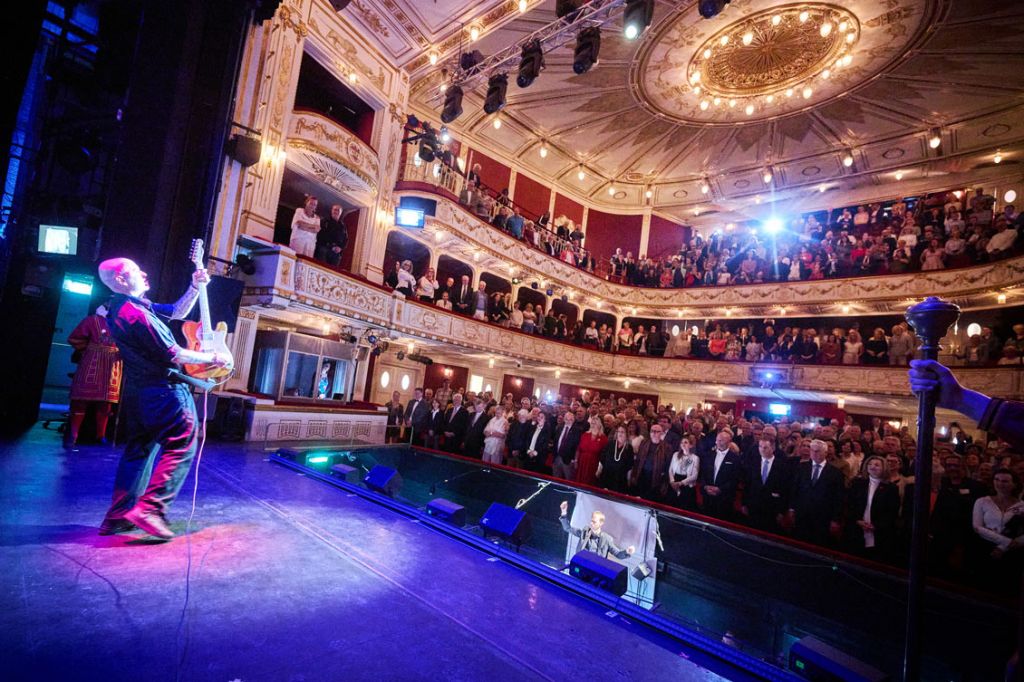
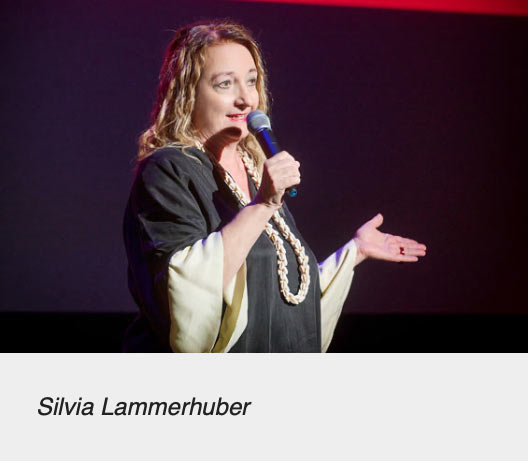
The festival’s managing director, Silvia Lammerhuber, then welcomed the distinguished guests, who had filled the Stadttheater to capacity, and, above all, the festival’s exhibiting photographers, almost all of whom were present.
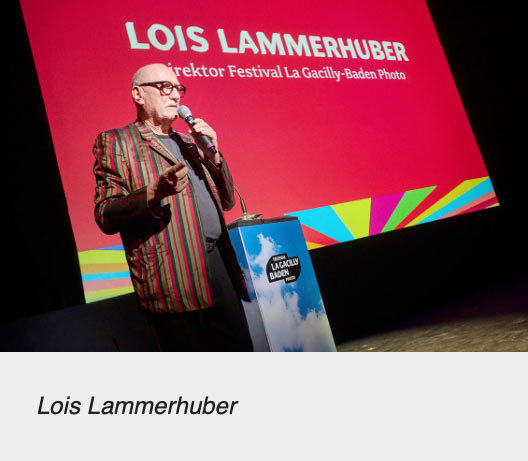
This was followed by an impressive keynote speech by festival director Lois Lammerhuber. His retrospective on two centuries of photography was far more than a historical overview. With great expertise and, at the same time, rhetorical clarity, he traced how photography has developed from a technical innovation into an art form in its own right, one which today shapes our view of the world like hardly any other medium. Naturally, he also highlighted the track record of the festival, which is taking place for the ninth time this year. Last year, 336,288 photography enthusiasts visited the seven-kilometre-long exhibition route – proof that photography exerts a tremendous appeal in public spaces.
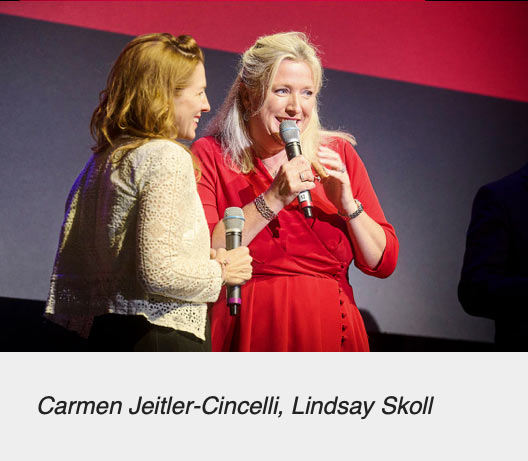
Mayor Carmen Jeitler-Cincelli emphasised the festival’s importance to the town. Her commitment to this highly successful cultural initiative is a significant gesture at a time when budgets for the arts, in particular, are often – almost gleefully – being slashed.
British Ambassador Lindsay Skoll had the audience in stitches. With dry British humour, she paid tribute to her country’s contribution to the history of photography, demonstrating that subtle sense of irony and self-deprecation so often associated with the British Isles. Her appearance lent the official part of the event a pleasant light-heartedness.
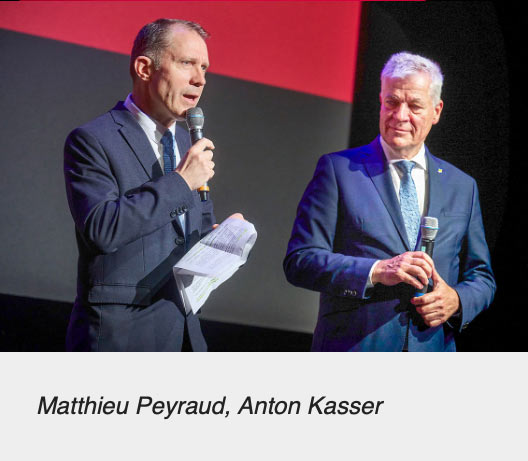
For his part, the French Ambassador Matthieu Peyraud recalled the long-standing cultural ties between France and Austria and referred to a century of intensive cultural cooperation. However, the words of the speaker who preceded him did not go entirely unchallenged – William Talbot Fox or not. Clearly, Joseph Nicéphore Niépce’s honour had to be defended when it came to 200 years of photography. All in all, it became clear once again that the festival is not only a venue for photography, but also a place for international encounters.
And Provincial Councillor Anton Kasser, speaking on behalf of Provincial Governor Johanna Mickl-Leitner, praised the photography festival as one of Austria’s most important cultural initiatives.
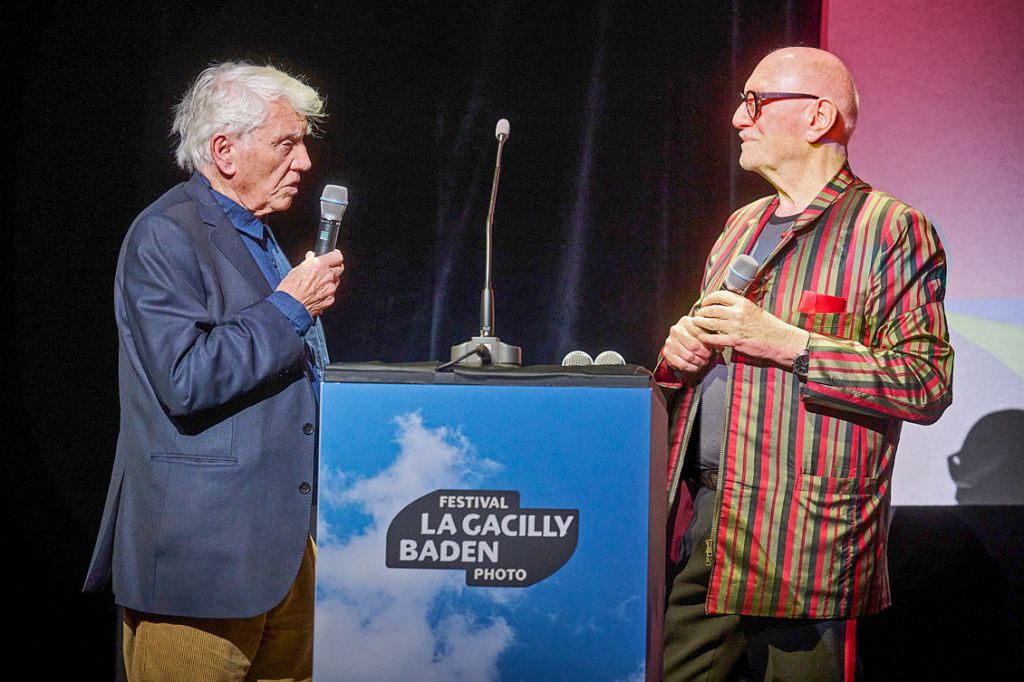
One of the most moving moments of the evening was undoubtedly the appearance by Sir Don McCullin. The British photography legend described how, as the child of a poor London family, he discovered photography. His recollections made it clear that great careers in photography often do not stem from privileged backgrounds, but from curiosity, perseverance and a desire to understand the world. The prolonged applause was surely not only for the 91-year-old photographer and contemporary witness; it was also a tribute to ‘writing with light’ in all its forms.
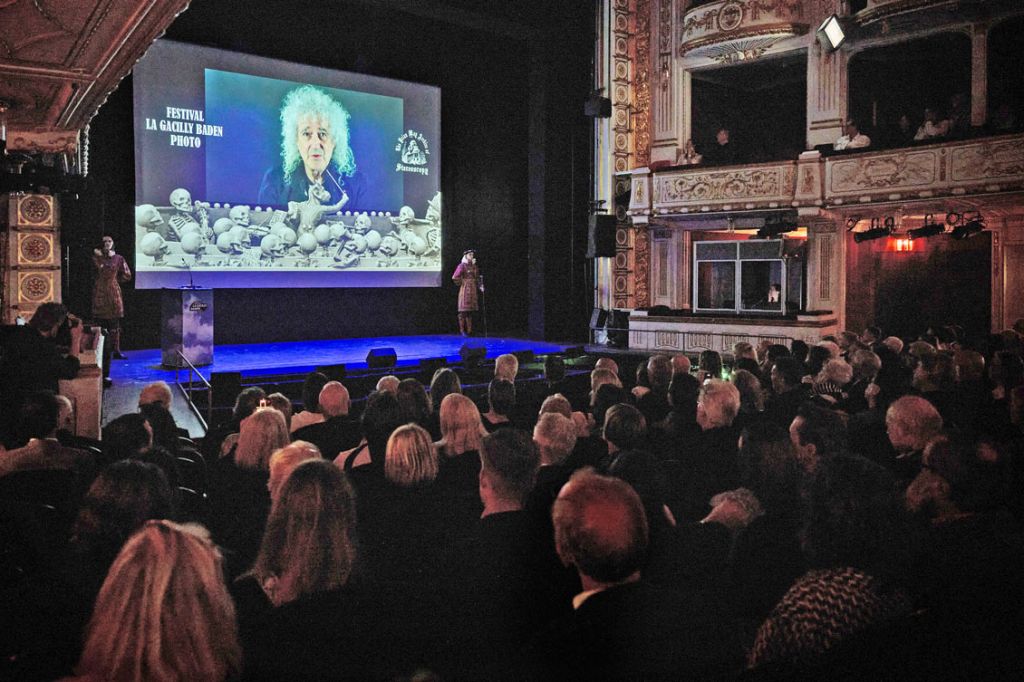
Sir Brian May appeared via video message. The Queen guitar legend is not only a rock musician who has become an icon, but above all a passionate stereoscopic photographer and the world’s largest collector of this art form. With ‘Stereoscopic Adventures In Hell’, the festival is showcasing an absolute rarity from his collection, created shortly after the invention of photography. This cult 3D classic offers a unique satirical take on the concept of hell in the 1860s and transports visitors into a nightmarish underworld in the most beautiful way possible! These remarkable scenes were modelled in clay by the two leading French sculptors Pierre Hennetier and Louis Habert and then photographed with a stereoscopic camera – a very special photographic treat in the context of the 200th anniversary of photography.
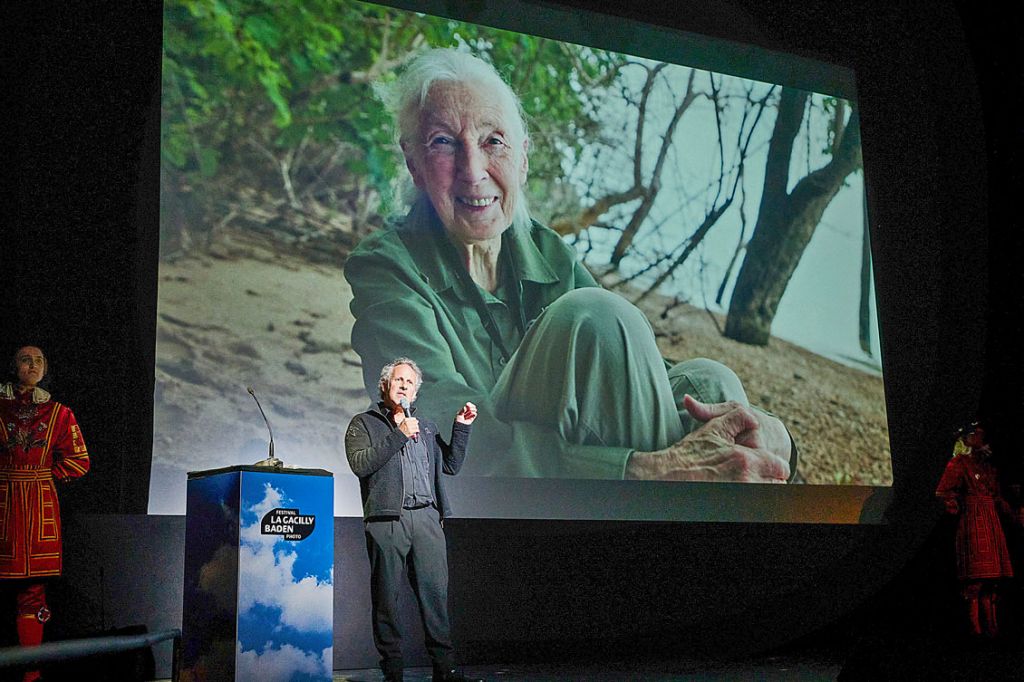
The two keynote speeches were also thoroughly impressive. The Austrian documentary filmmaker and photographer Richard Ladkani gave a compelling talk about his collaboration with Jane Goodall and their joint projects to protect nature and wildlife. His remarks highlighted the role that photography and film can play in the fight against environmental destruction and species extinction. We can already look forward to the film about Jane Goodall, due for release next year – we were treated to a sneak preview of the first photos during the course of the evening.
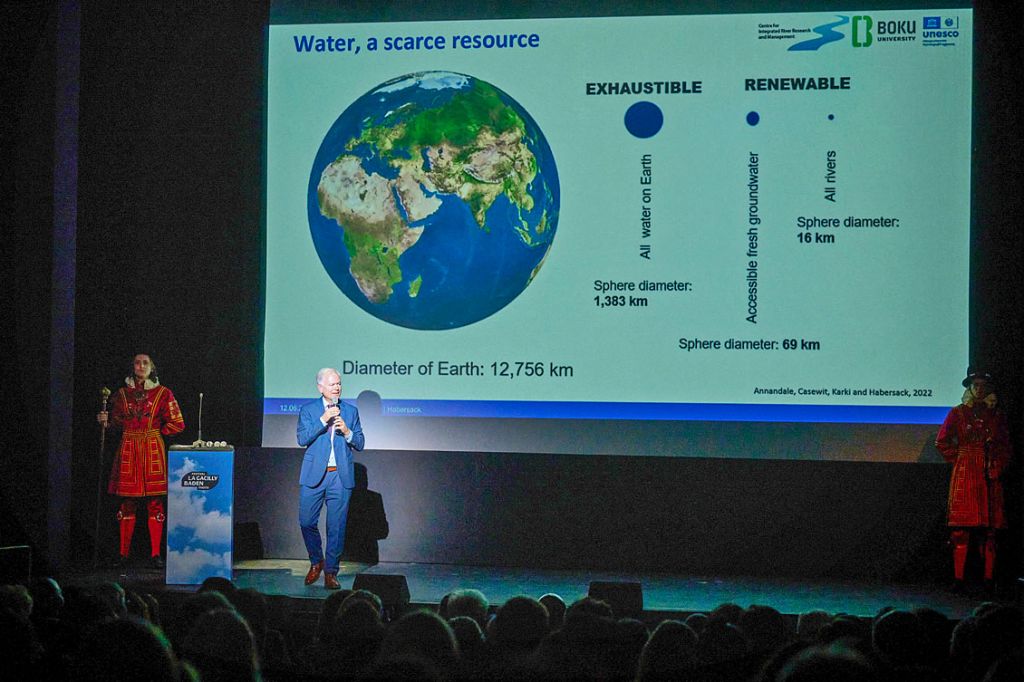
No less impressive was the talk by Helmut Habersack, UNESCO World Water Chair. He focused on the challenges posed by water scarcity, climate change and the global consequences of a worsening environmental crisis. His remarks highlighted how closely environmental issues, social developments and the work of many of the festival’s photographers are intertwined.
The highlight of the evening came with the visual concert. Large-scale projections of photographs from this year’s exhibitions were accompanied by a medley of famous songs by The Beatles and Queen. Image and sound merged into a single production that literally carried the audience through the various stages of the festival to the sounds of the arrangements by Pavel Singer, performed by the Baden Stage Orchestra under the baton of Michael Zehetner.
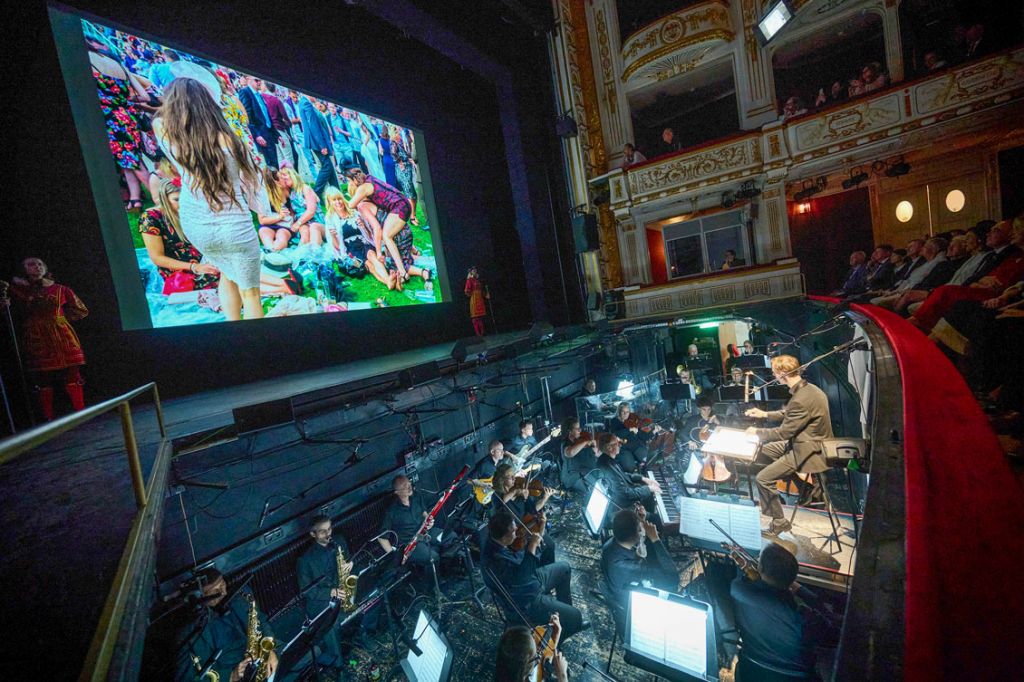
It became clear, if it wasn’t already, that the enthusiasm in the hall was genuine by the time the encore began. As soon as the first notes of “Hey Jude” rang out, there was no holding back. The audience clapped along, sang along and, for a few minutes, transformed the concert hall into one huge choir. It is rare to experience such an immediate connection between the stage and the audience at a festival opening.
One impression stands out above all others after this evening: the La Gacilly-Baden Photo Festival is far more than just an exhibition in a public space. It is a comprehensive cultural event that brings together photography, music, science, environmental issues and international exchange. The 2026 opening provided a striking example of this.