
Axelle de Russé
Polar Attractions
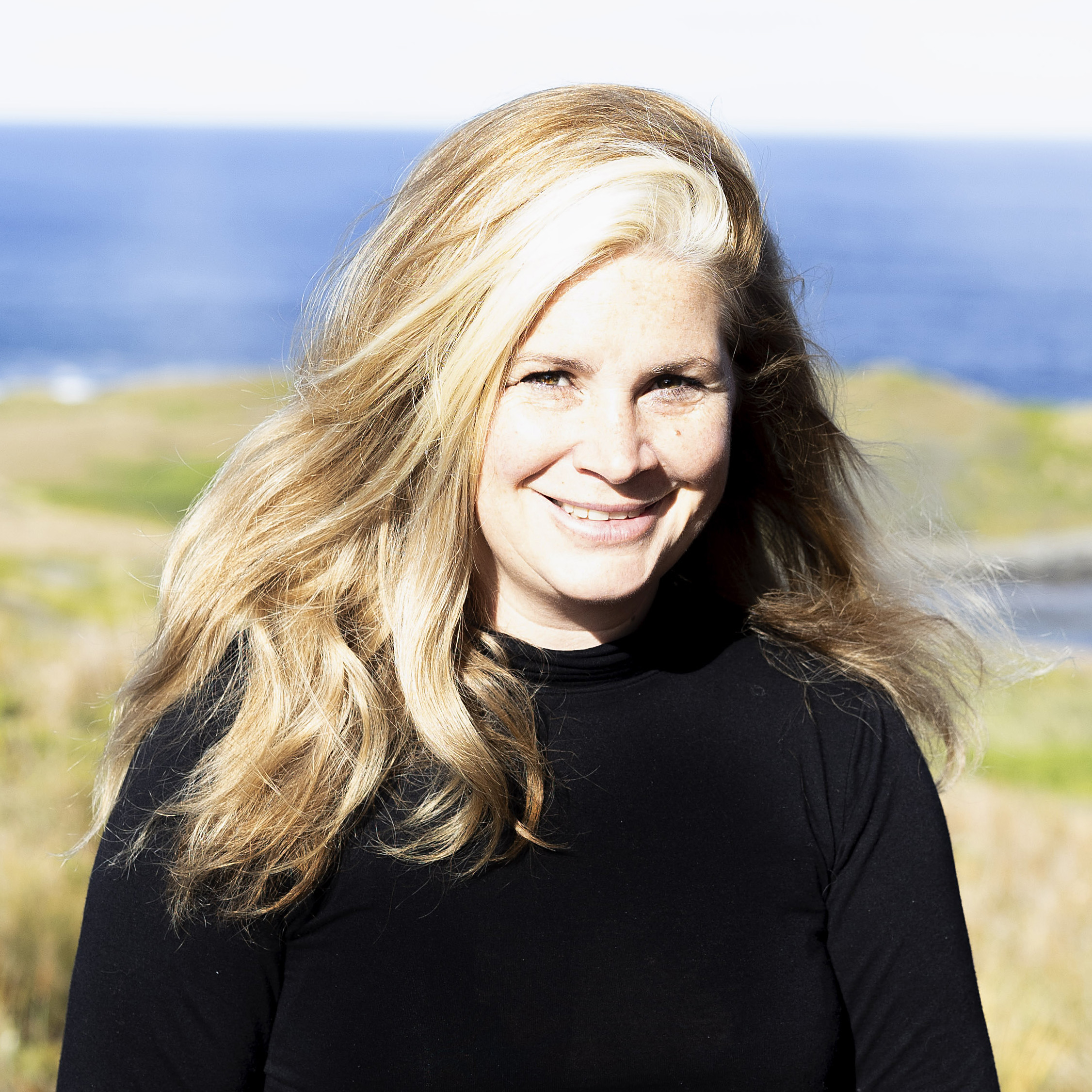
Axelle de Russé © Pamela Tramanil
France | Born in 1978
“After seeing the effects of global warming
Axelle de Russé
in the polar North, I wanted to go
to the southernmost tip of the world.
Two very distinct civilisations
and environments, yet they have so much
in common. These two worlds are on
the front line of climate change;
they are witnesses to nature’s turmoil.“
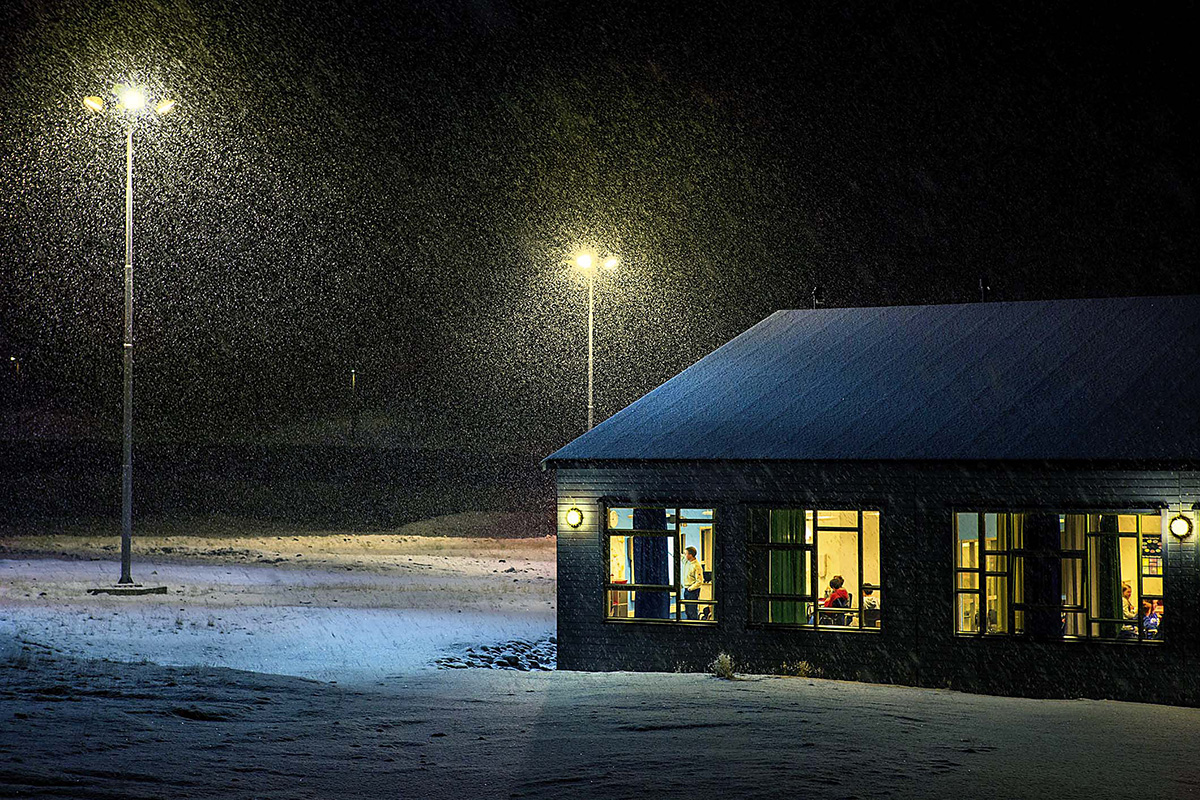
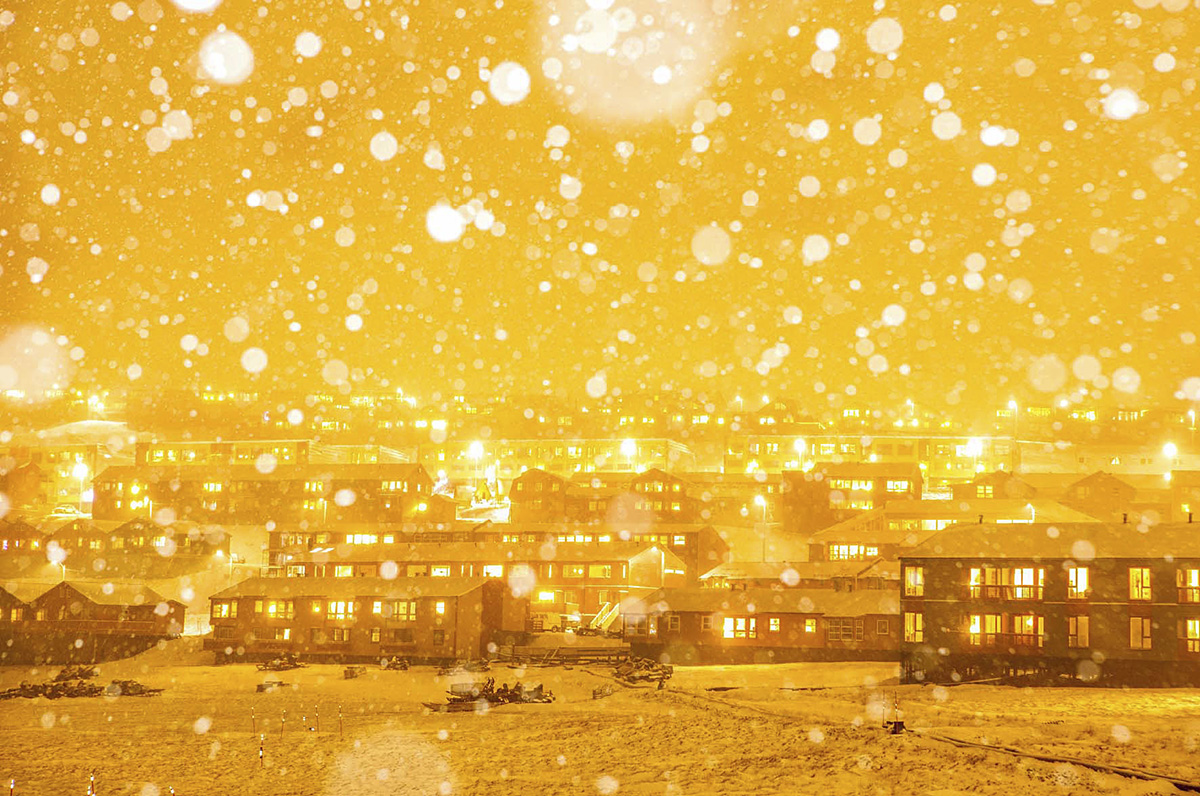
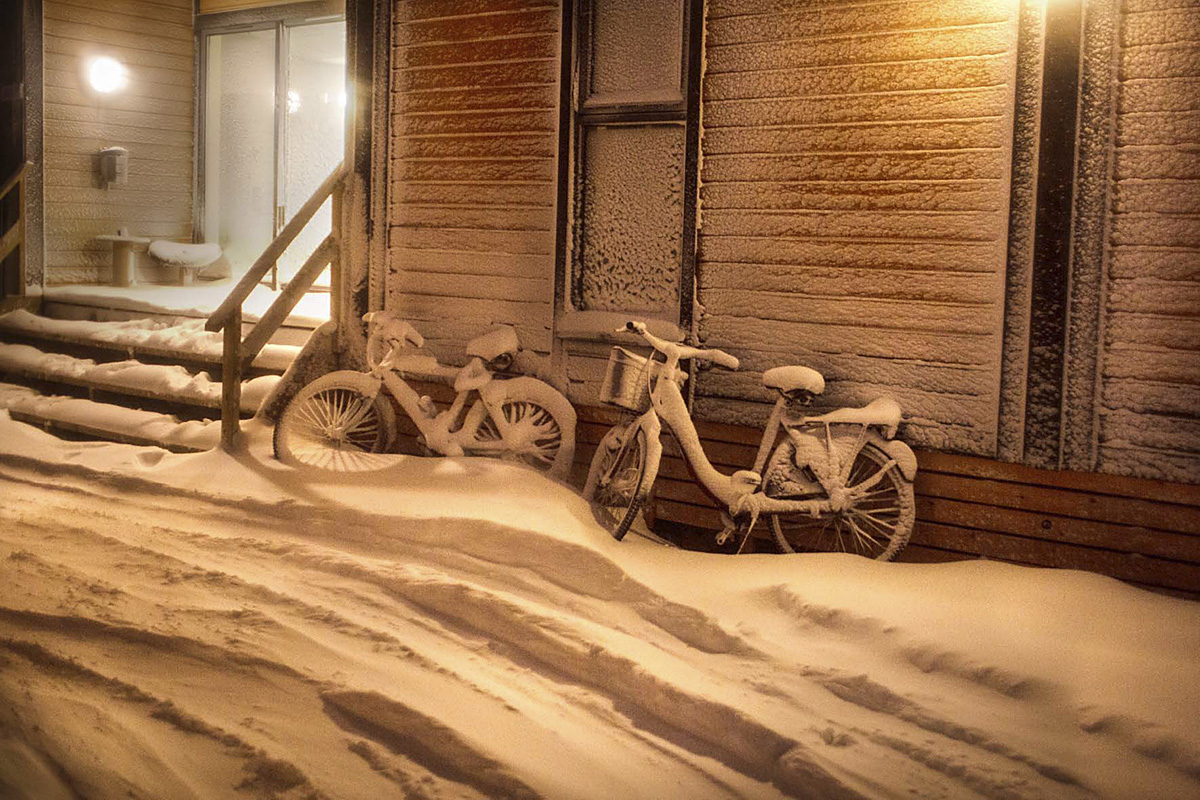
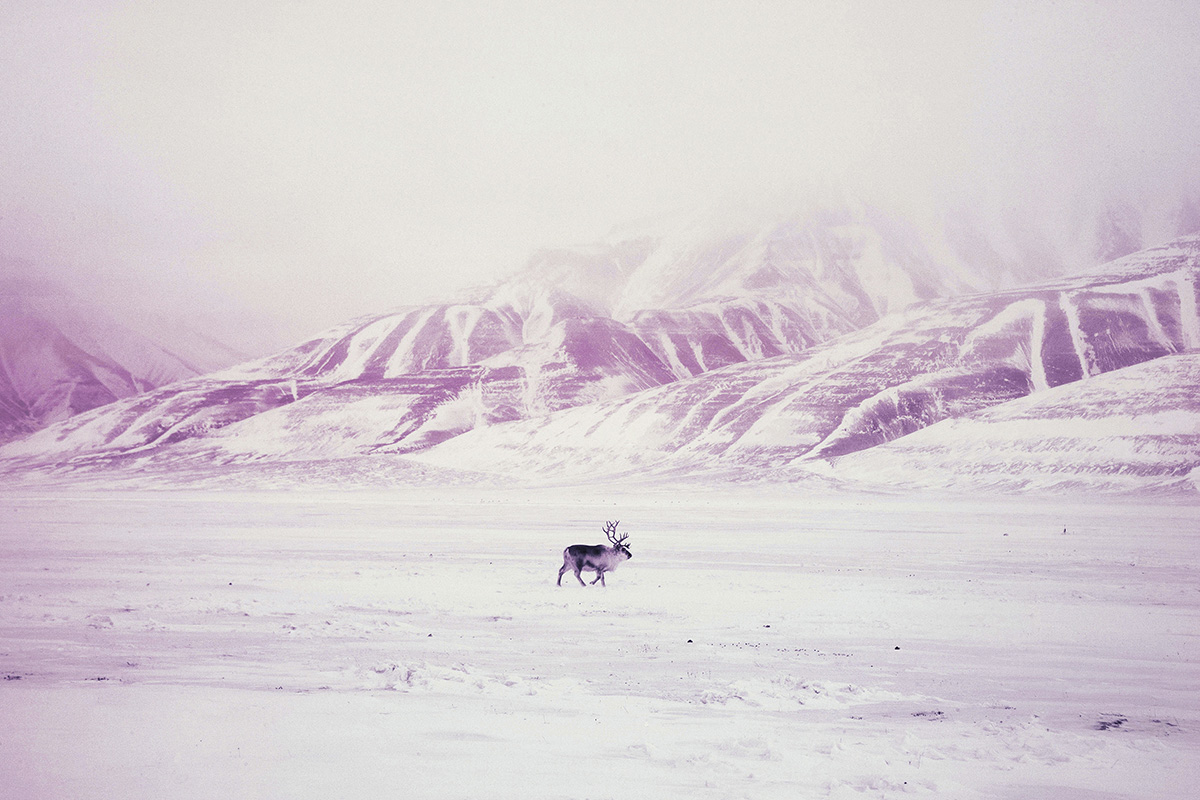
At the very tip of the globe, in the Svalbard archipelago located more than 1,000 kilometres from the pole itself, is the northernmost town on the planet: Longyearbyen. Lost in the middle of the Norwegian Arctic, it is populated by adventurers, miners and scientists, and is regulated by the two polar seasons: day and night. It is in remote areas such as this that global warming is most keenly felt. Since 1960, the temperature has risen by 8°C in winter and 6°C in summer. How is the little town holding up? Who are these men and women on the front line of the inevitable?
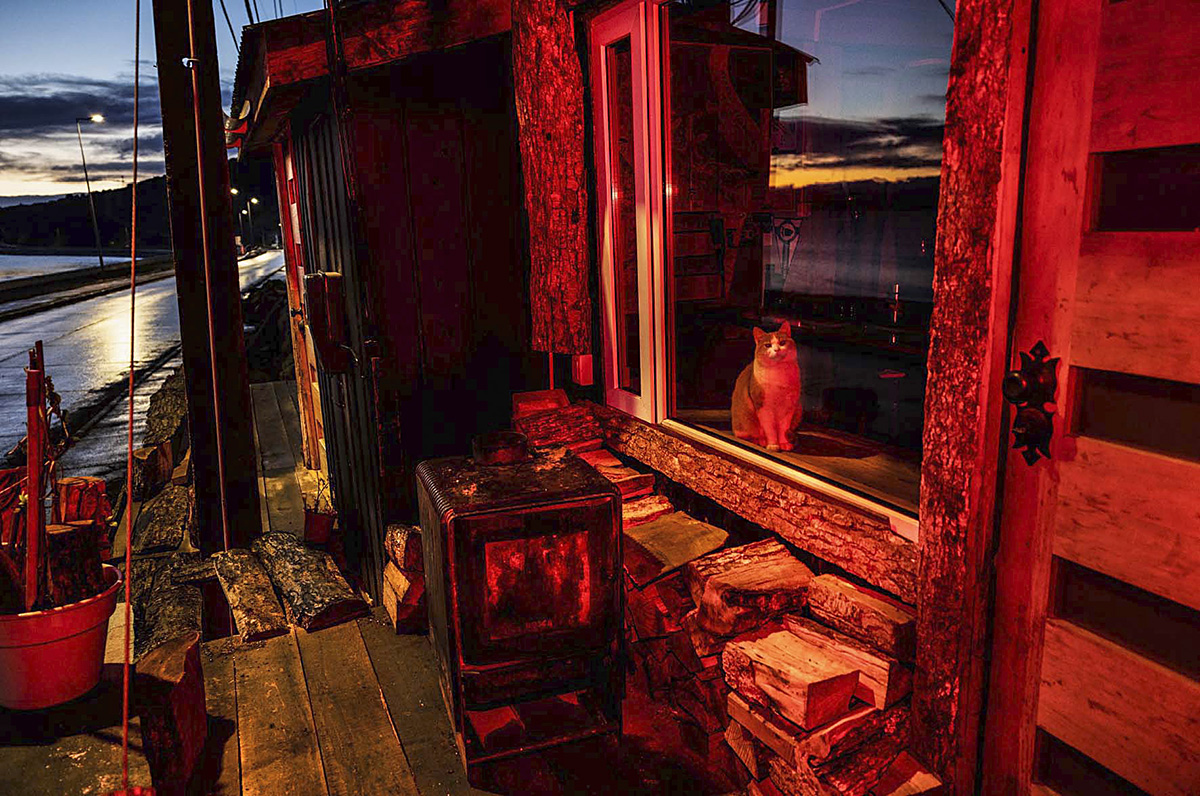
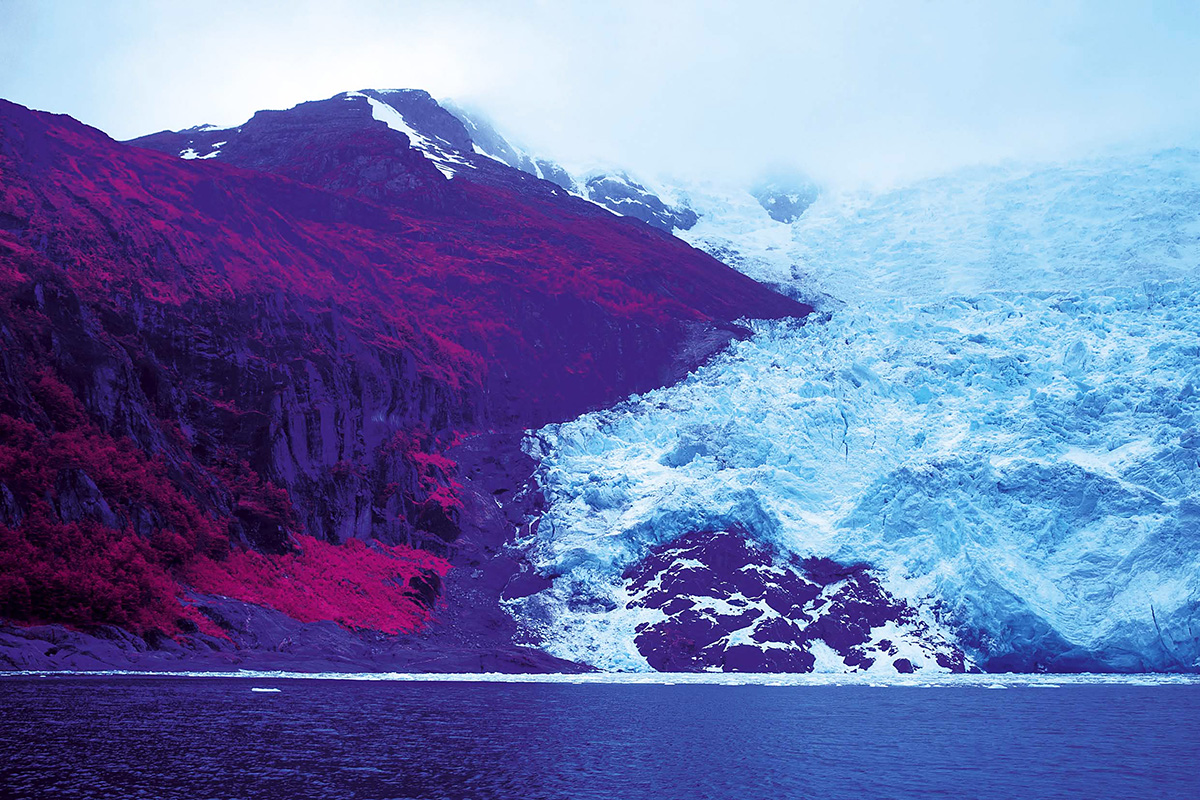
At the other extreme, in Chilean Patagonia, lies the world’s most southern city: Puerto Williams. At first sight, it appears to be the exact mirror image of its northern sister, only in the subantarctic. The small wooden houses, which appear perched on the flanks of the mountain, provide shelter to around 2,000 inhabitants. Once home to the Yahgan people and now a maritime base, this land is now populated by fishermen, the broken-hearted and the last descendants of the aboriginal people. Isolated from everything, as if frozen in time, it looks at its Argentinian neighbour Ushuaia with a mixture of the pride that is reserved for those who live in extreme places and more than a little envy. The local authorities are looking to develop the tourism industry and make a small profit from a quite considerable treasure. As is the case elsewhere, the effects of global warming are making themselves felt here too. Snow is becoming increasingly rare, the Beagle Channel glaciers are visibly melting, and the much sought-after spider crabs are moving further and further away from the coast in search of colder waters.
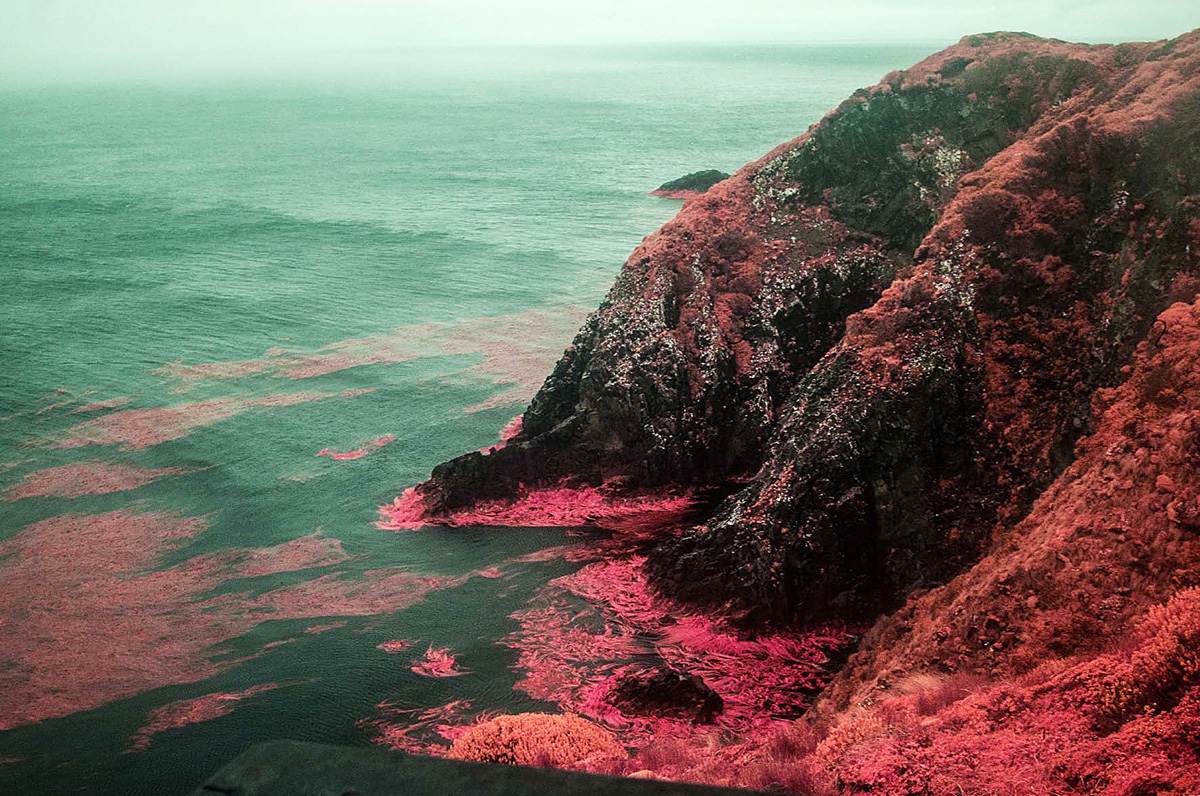
In this photographic essay, which is both a documentary and an artwork, photographer Axelle de Russé plays on the chromatic similarity between the two poles affected by climate change. She states: “The darkness of the photos is intended to express the evanescence of a fragile, endangered world. I also tried to suggest warming and the sensation of heat using infrared to highlight what is not perceptible to the human eye by transforming the image’s colourimetry. When a picture is taken, the “hottest” points turn magenta.”
Gallery
VISITOR CENTER
on the forecourt of the Römertherme
Brusattiplatz 3, 2500 Baden bei Wien
Telephone: +43 665 6728 0143
Open until 11 October 2026:
Monday to Friday from 11:00 – 17:00
Saturday and Sunday from 09:00 – 19:00
There you can find out all about the photographers featured in the exhibitions. There is a bookshop and refreshments, artist talks and workshops, festival catalogues and exhibition maps.
Any couple who’d like to find out what their kiss looks like under a microscope can have it photographed in the KISS BOX.
Festival office La Gacilly-Baden Photo
Tel: +43 (0) 2252 42269
festival@lagacilly-baden.photo